

Psychotherapy in San Diego
What Is Psychotherapy?
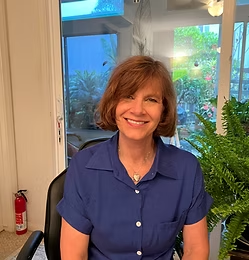
Julie Myers, PsyD, MSCP
Psychotherapy, also called talk therapy or counseling, is a collaborative treatment process that helps people identify and change the thoughts, emotions, and behavioral patterns that are interfering with their well being. It is delivered by a licensed mental health professional and can take place individually, in couples, or with families, using various approaches and techniques.
What makes therapy work is not just technique. Empathy, compassion, and genuinely attentive listening are among the strongest predictors of good outcomes. People do better when they feel truly heard and understood, and when the therapeutic relationship feels safe enough to be honest in. Your engagement in the process matters too, since the changes that happen in session tend to take root when they are practiced in daily life.
The goals of therapy reach beyond symptom relief. Most people come to treatment hoping to feel and function better, and to handle life’s challenges with more confidence and resilience. Approaches include Cognitive Behavioral Therapy (CBT), Exposure and Response Prevention (ERP), EMDR, DBT, ACT, and others. (Guidelines from NIMH specify which are best supported for each condition.)
Psychotherapy at Point Loma Clinic
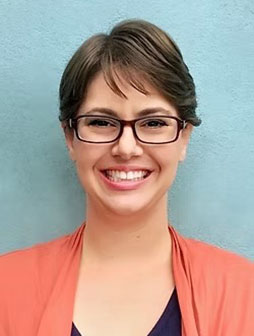
Our psychologists, Dr. Julie Myers and Dr. Ariane Myers, bring warmth, expertise, and a commitment to individualized care for adults, adolescents, and children, not driven by an AI generated conversation.
They work with a wide range of conditions using CBT, ERP, EMDR, ACT, DBT, IPSRT, habit reversal training, CBIT, trauma-informed therapies, self-regulation techniques, and HRV biofeedback. Dr. Julie Myers also holds postdoctoral training in clinical psychopharmacology and works closely with Dr. Papp on medications and treatment progress, making collaborative care straightforward for patients seeing both providers.
For patients receiving ketamine treatment, psychotherapy can be woven in through our Ketamine Coordinated Therapy protocol. Ketamine creates a window of neuroplasticity and heightened openness, typically in the day or two after treatment, and scheduling therapy within that window helps people make the most of it. Patients meet with Dr. Julie Myers before beginning to prepare for ketamine sessions.
When Does Psychotherapy Work, and When Is Medication Appropriate?
Conditions That Respond Well to Psychotherapy Alone
For many conditions, therapy is the primary treatment and medication adds relatively little. And you do not need a formal diagnosis to benefit. Many people come simply to get through a hard stretch, or because it helps to talk things through with someone who listens carefully and without judgment.
- OCD: ERP is the first-line treatment; medication can help but therapy is often sufficient.
- Phobias: Exposure-based therapy is highly effective; medication is not standard.
- BFRBs and tic disorders: Habit reversal training and CBIT are the treatments of choice.
- Trauma-focused therapies (EMDR, trauma-focused CBT) are first-line; medication can be a helpful adjunct but does not replace therapy.
- Addictions and substance use: CBT and behavioral approaches are core; medication is available for some substance use.
- Relationship difficulties, grief, and life transitions: Therapy is the natural approach for this kind of work; medication is not indicated.
- Life adjustments and everyday struggles: Stress, caregiving, loss of direction, and the general weight of life are all good reasons to come to therapy. No diagnosis needed.
- Support, perspective, and self-understanding: A warm, skilled therapist can help you gain clarity, see things differently, and feel less alone with what you are carrying.
Conditions Where Medication and Therapy Work Best Together
For some conditions, the biology of the illness means therapy works better in conjunction with medication:
- Major depression: Therapy alone is usually sufficient to treat mild depression. Severe or treatment-resistant depression usually requires medication for the therapy to be effective. Ketamine may be recommended in some cases.
- Bipolar disorder: Medication is essential for stability. IPSRT can help with consistency, early warning signs, and managing stress.
- Generalized anxiety and panic disorder: For severe presentations, medication is often recommended alongside therapy, at least until symptoms abate.
- ADHD: Behavioral and skills-based therapy is a valuable complement to any treatment, but medication is typically considered primary, especially for more severe presentations.
- Schizophrenia and psychotic disorders: Medication is the foundation; therapy supports recovery, insight, and staying well.
Frequently asked questions
How do I know which type of therapy is right for me?
The choice of modality follows from the diagnosis and your goals rather than the reverse. Exposure and response prevention is the established treatment for OCD; trauma-focused therapies and EMDR are used for PTSD; CBT and behavioral approaches suit most mood and anxiety conditions. Your therapist will recommend an approach after the initial evaluation and explain the reasoning, and the plan can change as treatment progresses.
How long does psychotherapy take?
It depends on the condition, its duration, and your goals. Structured treatments for a focused problem may take a few months of weekly sessions; longstanding or complex conditions take longer. We set goals at the outset and review progress periodically, so the question of duration is revisited with evidence rather than left open-ended.
Is therapy by telehealth as effective as in-person therapy?
For most adults and adolescents, controlled studies have found telehealth psychotherapy comparable in effectiveness to in-person treatment for common conditions including depression and anxiety. Some situations favor in-person work, such as certain exposure-based treatments or work with young children, and your therapist will tell you if that applies. We offer both, and many patients combine them.
Do you see children and adolescents?
Yes. Dr. Ariane Myers specializes in psychotherapy and assessment for children and adolescents, including OCD, anxiety, tic disorders, and neurodevelopmental conditions, and works closely with parents. Dr. Julie Myers sees adolescents and adults.