

Ketamine Treatment San Diego
What is Ketamine Treatment?
Ketamine treatment for depression is a medically supervised psychiatric treatment that uses low doses of ketamine, most often given by injection, to rapidly relieve symptoms of depression that have not responded to standard antidepressants. Unlike conventional antidepressants, which can take weeks to take effect, ketamine often produces measurable improvement within hours to days by promoting new neural connections in the brain.
How is Ketamine Treatment Done at Point Loma Clinic?
At our clinic, every patient receives a personalized ketamine treatment experience in a private, thoughtfully designed setting created for comfort, calm, and discretion.
Your safety is our highest priority. Each ketamine session is conducted and closely monitored by Dr. Papp during a dedicated two-hour appointment, ensuring focused medical oversight, continuous monitoring, and attentive, individualized care in a confidential environment.
If you’re wondering whether ketamine treatment is right for you, please contact us.
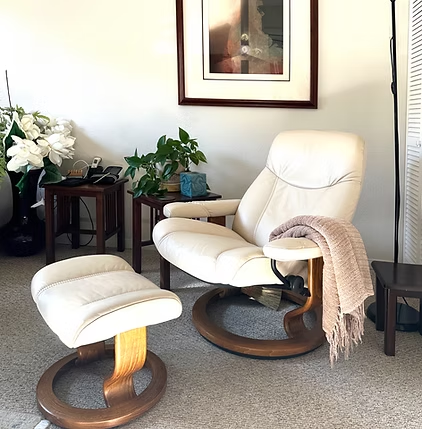
Treatment room in Point Loma
How our Ketamine Care is Different
Our ketamine services are integrated into comprehensive adult mental health assessment and care. Patients receive a full diagnostic evaluation with Dr. Papp, along with personalized treatment planning and ongoing care that extends beyond a single intervention.
We also provide ketamine treatment for individuals who prefer not to pursue traditional psychiatric medications or who are referred specifically for ketamine services by other providers. Regardless of referral source or treatment preferences, a full psychiatric assessment is always completed to ensure safety, diagnostic clarity, and appropriate treatment planning. We integrate psychotherapy with ketamine treatment when appropriate.
Ketamine is one tool among many—carefully considered, thoughtfully delivered, and supported within a broader treatment framework designed to treat the whole person, not just the symptoms.
The Ketamine Treatment Process
Before beginning ketamine treatment, you will complete a comprehensive psychiatric evaluation with Dr. Papp, followed by a single preparatory psychological visit with Dr. Julie Myers. These steps ensure diagnostic clarity, clinical appropriateness, and a safe, well-informed treatment process.
Each ketamine session is scheduled for approximately two hours; you are the only patient scheduled during that time. Visits begin with a review of your response to prior treatments, clinical monitoring setup, and preparation of the treatment environment. The medication effects typically last 40–70 minutes, followed by a structured discussion to integrate the experience and plan next steps.
During treatment, Dr. Papp continuously monitors your vital signs. You are also observed via secure video monitoring to ensure ongoing safety throughout the session.
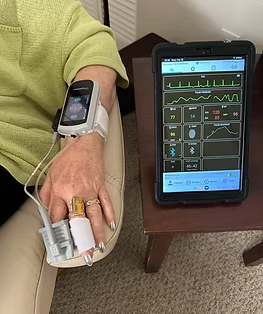
VitalStream monitoring system
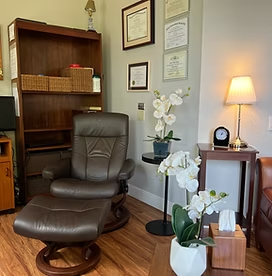
Ketamine treatment room in Del Mar
Why Add Psychotherapy?
Integrating psychotherapy with ketamine treatment can deepen and extend its benefits. Ketamine promotes neuroplasticity and increases connectivity across key brain networks, creating a window where new insights and shifts in perspective may be more accessible. At Point Loma Clinic, we use Ketamine Coordinated Therapy to align psychotherapy with these neurobiological effects.
When appropriate, therapy sessions are scheduled 1–2 days after ketamine administration, during this period of heightened neural flexibility. Patients often find they are more open, reflective, and able to work through entrenched patterns. Psychotherapy during this phase helps consolidate gains and translate neurobiological change into lasting progress.
Therapeutic support can also be incorporated during the ketamine session itself for those who prefer.
What Type of Ketamine We Use (and Why)
Ketamine can be given by injection or via oral or intranasal routes. Injection provides the most reliable absorption. While all injectable methods—intramuscular, intravenous, or subcutaneous—are similarly effective, they differ in how quickly they take effect and how strong the peak response is.
At Point Loma Clinic, we use intramuscular ketamine exclusively for its reliability, simplicity, and strong safety profile. Dr. Papp is highly experienced in administering and monitoring each session.
We do not prescribe oral ketamine for home use due to safety concerns. Intranasal ketamine works differently than injectable forms; more information is available on the Spravato website.
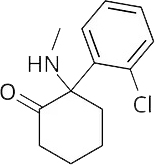
Ketamine is a Unique Form of Treatment
Ketamine treatment stands out due to its rapid onset of action, unlike traditional antidepressants that may take weeks or months to show effects. Within hours to days, patients often notice a significant improvement, a unique feature among antidepressants. Additionally, ketamine is administered intermittently, sparing patients from daily medication concerns and potential side effects associated with daily use.
Ketamine bypasses the slow molecular machinery that is utilized by conventional antidepressants. It facilitates nerve regeneration in the hippocampus and dampens activities of brain structures that mediate depression (such as the habenula and “default mode network”)
Originally used as an anesthetic in the 1970s, ketamine’s efficacy in depression treatment was recognized in studies from the early 2000s. Since then, its use has expanded exponentially, proving effective in treating various psychiatric conditions, including severe depression, suicidal thoughts, PTSD, premenstrual mood symptoms, with some evidence of efficacy for other conditions.
Learn More About Ketamine
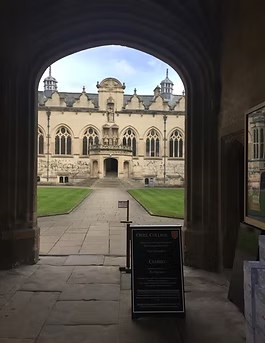
Oxford Ketamine Conference
Watch a short video about ketamine by Dr. Papp
Tracking the Effect of Repeated Use of Ketamine for Depression in a Private Practice Setting, by Drs. Papp and Myers-Turnbull, Ketamine and Related Compounds for Psychiatric Disorders Conference, Oxford England, 2024
Watch a lecture on ketamine by Dr. Papp and Dr. Myers
Ketamine in the Treatment of Mental Health Conditions: A Primer, Drs. Papp and Myers, Alliant University Speaker Series, 2025

Learn More About Ketamine
Oxford Ketamine Conference
Watch a short video about ketamine by Dr. Papp
Tracking the Effect of Repeated Use of Ketamine for Depression in a Private Practice Setting, by Drs. Papp and Myers-Turnbull, Ketamine and Related Compounds for Psychiatric Disorders Conference, Oxford England, 2024
Watch a lecture on ketamine by Dr. Papp and Dr. Myers
Ketamine in the Treatment of Mental Health Conditions: A Primer, Drs. Papp and Myers, Alliant University Speaker Series, 2025
Frequently asked questions
How does ketamine work differently from standard antidepressants?
Most antidepressants work by modulating monoamine neurotransmitters (serotonin, norepinephrine, dopamine) through mechanisms that require weeks to produce clinical effects. Ketamine acts primarily as an NMDA receptor antagonist and rapidly increases synaptic signaling through the AMPA receptor pathway, triggering release of brain-derived neurotrophic factor (BDNF) and promoting synaptogenesis — essentially, the formation of new neural connections. This mechanism produces antidepressant effects within hours rather than weeks and is active even in patients for whom monoaminergic treatments have failed. See: Zanos & Gould, 2018, Neuropsychopharmacology.
How many ketamine sessions are typically needed?
Clinical protocols vary, but most initial courses involve a series of sessions — commonly 4 to 6 — administered over two to three weeks. The response rate after an acute course is approximately 50–70% for treatment-resistant depression across controlled trials (Murrough et al., 2013). Maintenance sessions at varying intervals are often used to sustain response. The appropriate number depends on diagnosis, response pattern, and whether psychotherapy is integrated. Dr. Papp determines the protocol individually following a full psychiatric evaluation.
Who is a good candidate for ketamine treatment?
Primarily patients with depression, PTSD, or OCD that hasn’t responded adequately to conventional treatments. It’s also used for patients who cannot tolerate standard antidepressants or need faster relief. A full psychiatric evaluation is required before treatment begins.
Is ketamine treatment covered by insurance?
IV and IM ketamine treatments for psychiatric conditions are generally not covered by most insurance plans as of 2026, although coverage is evolving. (Spravato, a nasal form of ketamine, may be covered in-part by insurance). At the Point Loma Clinic, we do not bill insurance directly, but can provide documentation to support out-of-network reimbursement requests where applicable.
Is ketamine treatment safe?
Ketamine has been used in clinical medicine since the 1970s and has a well-characterized safety profile. At Point Loma Clinic, every session is administered and personally monitored by Dr. Papp with continuous vital sign monitoring. We do not use a group model or delegate monitoring to support staff.
Why do you combine ketamine with psychotherapy?
In the 24–72 hours following ketamine administration, most patients report a period of heightened psychological openness and, in many cases, noticeable mood improvement. Ketamine’s effects on neuroplasticity, specifically its role in increasing BDNF and facilitating synaptic remodeling, and create a window during which psychotherapy may be particularly effective. This is the scientific rationale for scheduling therapy sessions 1–2 days post-infusion, which is part of the Ketamine Coordinated Therapy protocol used at Point Loma Clinic. Ketamine promotes neuroplasticity, creating a window during which the brain is more capable of forming new patterns. Psychotherapy scheduled in the day or two following a session is designed to capitalize on that window. The combination produces better long-term outcomes than either approach alone for most patients.
What does ketamine feel like?
Most patients describe a dissociative state — a sense of detachment from ordinary thought patterns, sometimes with unusual perceptions. Effects last roughly 40–70 minutes. We prepare you for what to expect beforehand and debrief with you afterward.